

How to Safely Use BDSM Gear at Home: A Beginner-Friendly Guide to Safe, Fun, and Responsible Kink Play

Updated: 6 days ago

Curious about BDSM but unsure where to begin? You are certainly not alone. BDSM offers many ways for couples and solo explorers to discover new sensations, express their fantasies, build trust, and explore their interests at their own pace. From bondage and sensory play to dominance, submission, and roleplay, there is no single way to experience kink. The key is finding what feels comfortable, enjoyable, and appropriate for you. However, before introducing new activities or equipment into your private life, it is essential to understand the importance of safety, informed consent, and responsible play.
Whether you are considering trying handcuffs, blindfolds, ropes, paddles, collars, restraints, or more specialised BDSM gear, taking the time to learn how each item works can make a significant difference to your experience. Different products carry different risks, and equipment that looks straightforward may require careful handling, appropriate positioning, and an understanding of when to stop. Beginners should start slowly, read product instructions, establish clear boundaries, agree on a safe word or signal, and ensure that any restraint can be released quickly in an emergency. Never assume that a partner's silence means consent, and always check in with one another throughout a scene.
At MoodTime, we believe that responsible BDSM starts with communication, mutual respect, trust, education, and choosing suitable equipment for your experience level. Exploring kink at home should never mean compromising your wellbeing or that of your partner. In this guide, we will cover the essential principles of how to safely use BDSM gear at home, including preparing your space, choosing the right accessories, communicating boundaries, understanding common risks, and recognising when to pause or stop. With the right knowledge and preparation, you can explore your interests more confidently while keeping safety, consent, and enjoyment at the heart of every experience.
What Is BDSM?
BDSM is an umbrella term that can include:
Bondage and restraint
Dominance and submission (D/s)
Discipline
Sadism and masochism
Sensation play
Roleplay and power exchange dynamics
For some people, BDSM is playful bedroom experimentation. For others, it is part of a deeper lifestyle or relationship dynamic. Regardless of experience level, safety and consent remain essential.

Why BDSM Safety Matters
Unlike regular bedroom play, BDSM often involves restraint, impact play, sensory deprivation, or psychological power exchange. Without proper precautions, injuries or emotional distress can happen quickly.
Safe BDSM is not about removing excitement. It is about creating an environment where everyone involved feels secure enough to fully enjoy the experience.
Good BDSM safety practices help:
Prevent physical injury
Reduce emotional harm
Build trust between partners
Improve communication
Increase confidence during play
Make scenes more enjoyable and immersive
Ironically, the people who take safety most seriously are often the ones having the best kink experiences.
Start With Communication Before Gear
Before opening a toy bag or fastening a restraint, talk openly with your partner.
Discuss:
Interests and fantasies
Hard limits
Soft limits
Previous experiences
Medical concerns
Emotional triggers
Safe words
Desired intensity levels
Never assume someone is comfortable with a specific activity simply because they are interested in BDSM.
Consent should be:
Informed
Enthusiastic
Ongoing
Specific
Freely given
Consent can also be withdrawn at any time.

Choose Beginner-Friendly BDSM Gear First
One of the biggest mistakes beginners make is buying extreme or cheap unsafe equipment too early. Start simple.
Popular beginner-friendly BDSM gear includes:
Soft wrist and ankle cuffs
Blindfolds
Feather ticklers
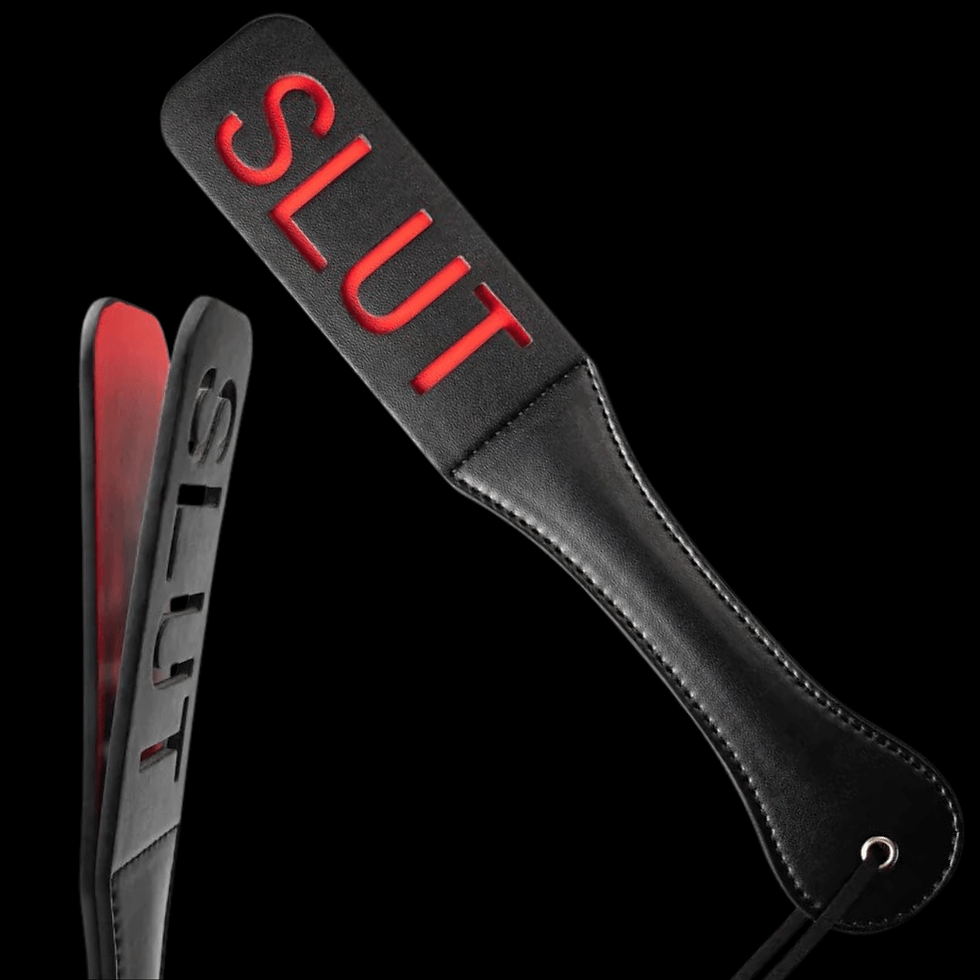
Silicone paddles
Adjustable collars
Under-bed restraint systems
Body-safe rope
Beginner-safe bondage tape
Avoid jumping straight into:
Heavy-duty restraints
Metal locking gear
Extreme gags
Suspension bondage
Sharp impact tools
DIY restraints that can cut circulation
Quality matters. Cheap materials can tear skin, break during use, or contain unsafe chemicals.
Body-safe materials usually include:
Silicone
Stainless steel
Leather and bodysafe PU Leather
Medical-grade TPE
Soft neoprene

Learn Proper Restraint Safety
Bondage can look simple, but improper restraint use can cause numbness, bruising, circulation issues, or nerve damage.
Important Bondage Safety Tips
Never tie restraints too tightly
You should always be able to fit a finger between restraints and the skin.
Avoid pressure on nerves
Certain areas of the wrists, elbows, knees, and upper arms are more vulnerable to nerve compression.
Keep safety scissors nearby
Especially when using rope or bondage tape.
Never leave a restrained person unattended
Even for a short time.
Check circulation regularly
Watch for:
Cold skin
Discoloration
Tingling
Numbness
Swelling
If any of these occur, release restraints immediately.

Use Impact Play Toys Responsibly
Spanking, paddling, flogging, and other forms of impact play can be incredibly exciting when done properly.
Safe Areas for Impact Play
Safer target areas generally include:
Buttocks
Upper thighs
Fleshy areas
Avoid striking:
Spine
Kidneys
Neck
Joints
Tailbone
Face
Start Light
Always begin gently before increasing intensity.
This helps:
Warm up muscles and skin
Gauge pain tolerance
Build anticipation
Reduce accidental injury

Understand Your Tools
Different BDSM toys create very different sensations:
Silicone paddles provide heavier thuds
Floggers create stingy or thuddy sensations depending on material
Canes are intense and better suited for experienced users
Crops offer focused impact
Never use unfamiliar gear aggressively the first time.
Blindfolds, Gags, and Sensory Play Safety
Sensory deprivation can heighten anticipation and vulnerability, but it also increases responsibility.

Blindfold Safety
When using blindfolds:
Ensure breathing remains unrestricted
Maintain verbal communication
Guide movement carefully
Avoid unexpected hazards

Gag Safety
Gags require additional caution.
Never use a gag:
On someone with breathing difficulties
During illness or congestion
Without constant supervision
Avoid:
Leaving gagged individuals alone
Restricting nasal breathing
Overly large or uncomfortable gags
Non-verbal safe signals are essential when using gags.
For example:
Dropping an object
Tapping repeatedly
Hand gestures

Hygiene and Cleaning BDSM Gear
Proper toy hygiene is non-negotiable.
Dirty BDSM gear can spread:
Bacteria
Yeast infections
Skin irritation
Bodily fluids
Cleaning Tips
Wash silicone and stainless steel gear with warm water and toy cleaner
Clean toys before and after use
Store gear in clean, dry conditions
Avoid sharing uncleaned toys between partners
Replace damaged or cracked items
Leather gear may require:
Leather-safe cleaner
Conditioning treatments
Proper drying after cleaning
Always follow manufacturer cleaning instructions.

Understand Safe Words and Check-Ins
Safe words are a cornerstone of BDSM safety.
Many people use:
Green = everything good
Yellow = slow down/check in
Red = stop immediately
Safe words should be:
Easy to remember
Clear
Unrelated to roleplay dialogue
Regular check-ins help ensure everyone remains physically and emotionally comfortable during play.
Emotional Safety Matters Too
BDSM is not only physical. Intense scenes can trigger powerful emotional reactions.
Aftercare is incredibly important.
What Is Aftercare?
Aftercare refers to the emotional and physical support provided after a BDSM session.
It may include:
Cuddling
Reassurance
Water or snacks
Blankets
Gentle conversation
Cleaning up together
Quiet decompression time
Some people experience an emotional drop after intense scenes. Good aftercare helps partners reconnect and process the experience safely.

Never Copy Dangerous Internet Content Blindly
Social media and adult content often show advanced BDSM without explaining safety precautions.
Do not assume:
A scene is realistic
Equipment is being used safely
Performers are inexperienced
Dangerous activities are beginner-friendly
Research techniques before trying them.
Particularly advanced activities include:
Suspension bondage
Breath play
Needle play
Electrical play
Fire play
These require significant education and experience.
Build Your BDSM Skills Slowly
The safest BDSM practitioners are usually not the most reckless. They are the most informed.
Take time to:
Learn techniques
Understand anatomy
Practice communication
Explore boundaries gradually
Invest in quality gear
Kink is not a race. Exploring slowly often creates better anticipation, stronger trust, and more satisfying experiences.

Common BDSM Safety Mistakes to Avoid
Using household items as restraints
Improvised restraints can cause serious injury.
Skipping communication
Assumptions ruin scenes quickly.
Ignoring discomfort
Pain and injury are not the same thing.
Going too intense too quickly
Especially with impact play or bondage.
Buying unsafe cheap gear
Poor materials can fail during use.
Forgetting aftercare
Emotional connection matters.
Creating a Safe BDSM Environment at Home
A good BDSM setup does not require a dungeon.
Simple adjustments can improve safety:
Clear the play area
Remove sharp furniture edges
Keep water nearby
Ensure phones are accessible in emergencies
Use proper lighting
Keep first aid supplies available
Store gear hygienically
Comfort and preparedness make a major difference.
Final Thoughts: Safe BDSM Is Better BDSM
BDSM should be an enjoyable, consensual, and empowering experience for everyone involved. Whether you are exploring kink alone or with a partner, the goal is to discover what you enjoy while respecting personal boundaries, communicating openly, and making informed decisions.
Safety does not take the excitement out of BDSM; it creates the foundation that allows you to explore new experiences with greater confidence, trust, and peace of mind. When everyone understands the boundaries, risks, and expectations involved, there is more room to focus on connection, curiosity, and enjoyment.
Whether you are starting with soft bondage, experimenting with playful dominance and submission, discovering sensory teasing, or learning about beginner impact play, take your time and build your knowledge before introducing anything new. Discuss boundaries beforehand, agree on a safe word or signal, keep essential safety tools within reach, and check in regularly throughout your play. Remember that consent must be freely given, can be withdrawn at any time, and should never be assumed. Start with activities that match your experience level, learn how your equipment works, and never feel pressured to try something simply because it is popular or appears in online content. Responsible kink is about finding your own comfort zone, not competing to push limits.
Ready to begin exploring? At MoodTime, you can discover a variety of BDSM and adult games, including beginner-friendly restraints, collars, paddles, blindfolds, and sensation-play accessories. Take the time to choose equipment suited to your needs, read the product instructions, and learn the basics before getting started. Whether you are taking your first steps into kink or expanding your existing collection, make communication, consent, comfort, and safety part of every adventure. Explore at your own pace, respect your boundaries, and remember that the best BDSM experiences are built on trust, preparation, and mutual enjoyment.


Comments